
Advantages & Disadvantages of External Wall Insulation
With heating bills rising and winter quickly setting in, considering how you warm your home is crucial. Locking heat in will increase your comfort without cranking up the central heating, and the best way to prevent heat transfer is with insulation.
Typically, our houses have internal insulation panels underneath the plaster. However, especially in old homes, it is not always possible to upgrade or install these panels. When this is the case, we can employ external wall insulation instead. Here’s a breakdown of the advantages and disadvantages of external wall insulation.
What is External Wall Insulation?
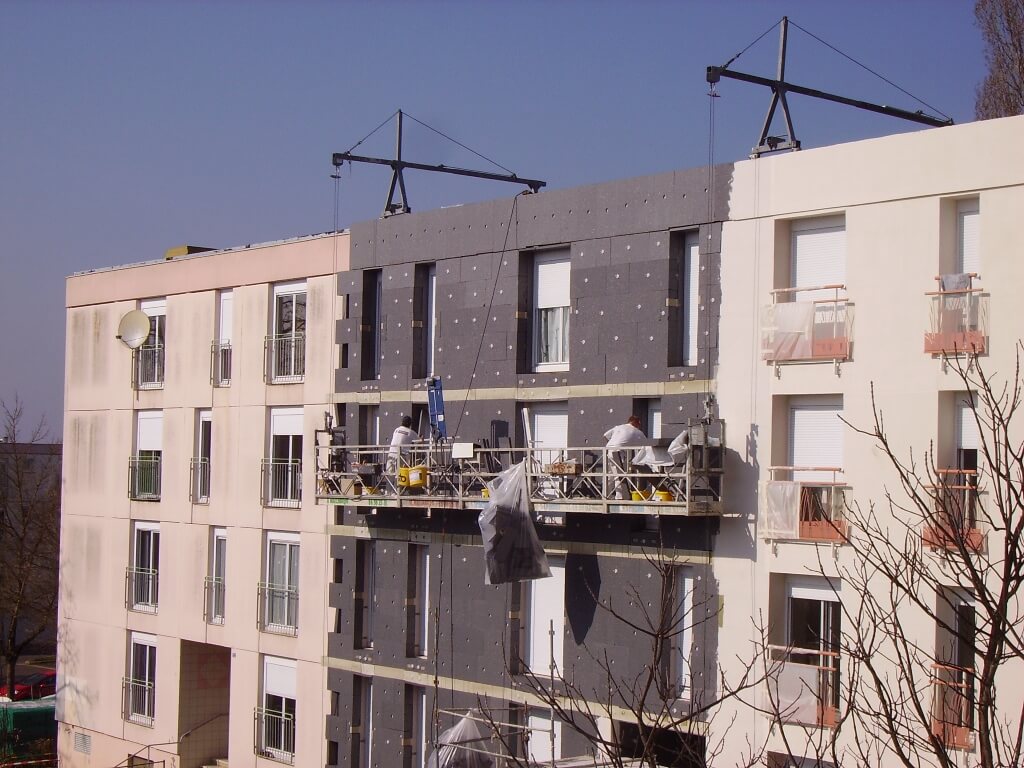
As opposed to internal insulation panels, external wall insulation is attached to the outside of a building. Panels of polystyrene (EPS), mineral wool or wood fibres are installed and finished with rendering layered over the top.
Why Should I Install External Wall Insulation?
External wall insulation has many benefits. However, primarily, we install it for the tea-cosy effect, hugging your home and adding an extra layer of protection to trap heat inside.
Advantages Of External Wall Insulation
Installing external wall insulation has several benefits, not just keeping heat inside your home. Here are the helpful advantages:
Reduced Energy Bills
The main advantage of external wall insulation is locking heat into your home to reduce your reliance on central heating. Especially with the current cost of living crisis, those savings make a huge difference.
Increased Comfort
Drafts are never comfortable; no one wants to be cold in their home. Choosing external insulation combats heat transfer and keeps you warm.
Doesn’t Reduce Space
The main alternative to external wall insulation is internal insulation. However, this option can reduce the overall floor plan of your rooms. External wall insulation has the same energy-saving effect without this size reduction.
Increased Durability
The extra layer of rendering over the insulation protects your home from harsh weather conditions, strengthening your external walls.
Sound Resistance
When you insulate your home to keep in the heat, you also keep in sound, increasing your privacy. Plus, it reduces sound entering your home from the outside.
Disadvantages Of External Wall Insulation
There are some key downsides to external wall insulation that you should consider. With the right installation and rendering company, some of them can be avoided.
Can Encourage Damp
Depending on how permeable your walls are, external insulation can cause damp and impact respiratory conditions such as asthma.
Permeable walls allow moisture to pass through. Therefore, this moisture can move out of your home and evaporate away. However, impermeable walls trap moisture and have other ventilation systems to remove it.
The problems arise when permeable walls are insulated with impermeable insulation panels. As they don’t have other ventilation means, moisture is trapped inside, causing damp walls or insulation.
These hazards are avoidable. Choose a responsible rending company that will create thorough plans to implement new ventilation.
It May Require Planning Permission
When you change the appearance of your home, you need planning permission from your local council. Whilst some external wall insulation falls under the permitted development plans, other cases require approval. No matter your situation, it is always best to consult your local authority before installing anything.
Problems Around Windows and Sills
Window and door frames cause external insulation issues. If you do not insulate them, you’ll create cool bridges that channel warmth away from your home. These temperature differentials encourage condensation and dampness. Alternatively, if your frames are narrow, they are difficult to insulate.
It’s best to go with thinner insulation around these areas to cater to their small size.
Expensive
Price will always be a critical consideration when insulating your home, and unfortunately, the benefits of external wall insulation come at a larger cost. To insulate a typical three-bedroom semi-detached house, you will likely pay between £5,000 and £9,000. If you want to insulate a larger detached house, it will cost between £8,000 and £15,000.
So Can External Wall Insulation Cause Damp?
External wall insulation can potentially cause damp issues. Moisture can enter walls from external sources like rain and internal sources such as cooking, laundry, and breathing. The choice between impermeable and breathable walls before cavity walls affected moisture penetration.
Cavity walls act as moisture barriers, allowing rainwater to evaporate due to air movement. Modern non-permeable insulation materials protect against rain but not internal moisture, necessitating improved ventilation. The dew point, where moisture in the air condenses into water, changes as air moves through the wall. Properly installed external insulation shifts the dew point outward, reducing the risk of internal condensation and damp. However, the dew point can end up within the insulation, which is addressed by a vapour barrier in most external insulation systems. Verify this with your supplier for effective moisture management.
Building Regulations and Planning Permission
In the UK, significant building changes require planning permission from local councils. However, external wall insulation is categorised as ‘permitted development’.
Class A of the government’s ‘Permitted development For Householders: Technical Guidance’ states:
The installation of solid wall insulation constitutes an improvement rather than an enlargement or extension to the house and is not caught by the provisions of (e), (f), (g), (h) and (j).
Therefore, you should not need planning permission to install external wall insulation. Despite this legislation, it is always good practice to contact your local authority for further clarification, or you risk having to remove your insulation and revert your home to its original state, costing you thousands.
It is also important to remember that conversation areas and listed properties are subject to further development protections. One of the most common usages of external wall insulation is insulating old homes. These homes are often listed due to their age. So, again, you must check with your council before making any changes.
Common Complications
When you spend thousands on your insulation, you should be aware of the potential complications. However, there is no reason to fear. An expert installation and rendering company will work with you and avoid these risks.
Damp
- As we’ve already discussed, external wall insulation can trap moisture and condensation, leading to mould growth and damp.
Damage
- If installed incorrectly, the insulation can damage your property.
Fire Hazards
- Adding insulation to your home can complicate your fire escape route. A reputable company will consider your fire doors and exits in their installation plan to avoid any blockages.
Thermal Bridging
- A thermal bridge is simply an area of your building where large amounts of heat are lost. Look for spaces around windows and doors and factor them into your installation plan, as these openings and frames are often problem areas.
Reveals, Sills and Eaves
- The added thickness of external wall insulation is most obvious at the eaves; they often aren’t wide enough for the added material. You should choose thin insulation, around 10-20mm, to work with these space restrictions and prevent heat loss in difficult areas.
External Wall Insulation For Different Types Of Walls
You can construct a wall with varying building materials. The most common is brick, but solid stone walls are also popular. When installing insulation, you should understand your walls’ construction and permeability to achieve the best results.
Solid Stone Walls
Solid stone walls have a misleading name as they actually have a rubble-filled cavity between two stone skins. They tend to be breathable, letting air and moisture pass through them, so it’s best to choose a breathable type of insulation and then cover it with a lime render.
Brick Walls
Brick walls vary in permeability, but they generally aren’t breathable. That means that most forms of rigid insulation will work well on brick walls. They can be attached with fittings and then covered with render.
How External Wall Insulation Affects U Values
A U value measures the rate of heat transfer through a material. A high U value indicates that heat transfers easily, meaning lower U values save money on our heating bills. A 255mm thick solid brick wall has a U value in the region of 1.20W/m2, and a 450mm thick stone wall is around the same. A cavity brick wall has a U value of 1.5W/m2.
External wall insulation lowers these U values to:
- 0.31W/m2 with 100mm of EPS insulation
- 0.30W/m2 with 70mm of rigid foam insulation
- 0.30W/m2 with 110mm of mineral wool, wood fibre or hemp batts insulation
Our Rendering Services
Now that you understand the advantages and disadvantages of external wall insulation, you can decide whether to install it in your home. If you install it, you cannot leave it open to the elements. Doing so will place the insulation at risk and affect your home’s aesthetic. That’s why at AB Drylining, we offer expert rendering services to cover it.
Our rendering lasts for 25 years, meaning that we can not only improve the aesthetic of your home but also provide long-lasting structural protection. To find out about our services and discuss your requirements with a specialist, contact our team today.
FAQ
How much impact can external wall insulation have?
External wall insulation can lower the U value of your walls from 1.20W/m2 or 1.50W/m2 to 0.30W/m2, preventing heat transfers from your home.
What is the best external wall insulation?
Polystyrene EPS insulation has the best insulator properties and is cheaper than other alternatives.
Can external wall insulation cause damp?
Yes, damp can form if external wall insulation prevents moisture from escaping through permeable walls. To combat this issue, you should also install extra ventilation to remove the moisture.
Should you put external wall insulation on a cavity wall?
Cavity walls typically have existing internal insulation. Though you could install external insulation on the wall, it would be ineffective.
Can external wall insulation impact your health?
If external wall insulation is installed on permeable walls without implementing additional ventilation, it can trap moisture and cause damp. This dampness exacerbates respiratory conditions like asthma.
How long will external wall insulation last?
Due to its weatherproof rendering, external wall insulation can last for decades without any issues.
Do I need planning permission?
According to the UK government’s advice, you don’t need planning permission to install external wall insulation unless your building is listed or in a conservation area. However, you should always contact your local council and check before construction to avoid having to revert your home to its original condition.
Are external wall insulation panels ugly?
The external wall insulation panels are an ugly addition to your home, but they are covered by rendering for an aesthetic protective coating.

