

The Correct Way To Get Rid Of Plasterboard
Plasterboard offers a time-efficient means of achieving a smooth base for walls and ceilings, providing a smooth surface to apply a plaster skim. Despite their quick and easy application, when it comes to plasterboard disposal, you’ll need to ensure you know the regulations.
If you are looking to remodel your house or commercial space, you’ll need to know how to dispose of plasterboard safely. With our all-you-need-to-know guide, you’ll be able to get rid of your old plasterboards and freshen up your space in no time.
Can You Burn Plasterboard?
No, burning plasterboard is strongly discouraged. Incinerating household waste, including plasterboard, can produce dense, noxious smoke that may drift across roads, potentially leading to accidents. When plasterboard is burned, it releases hazardous gypsum particles into the air, creating toxic fumes.
Why Plasterboard Must Be Disposed of Properly
Dry lining a property’s walls and ceilings using plasterboard often proves an efficient way to ready a project for a plaster skim, accelerating the process of reaching the painting or decorative plaster stage. However, using plasterboards does pose some difficulties, especially when it comes to remodelling or renovating the property. And, all this comes down to its composition.
Plasterboard is made of gypsum which, if disposed of incorrectly, can become hazardous as it will putrefy if it comes into contact with water. When plasterboard is placed in general waster, the likelihood of this process occurring becomes increasingly more likely.
When it is putrefied, the gypsum releases the toxic gas hydrogen sulphate which poses significant threats if inhaled. In small amounts, it can cause irritation but longer exposure can lead to headaches, tearing up, nausea and airway complications for asthma sufferers. The telltale sign of plasterboard putrefaction is a rotten egg smell.
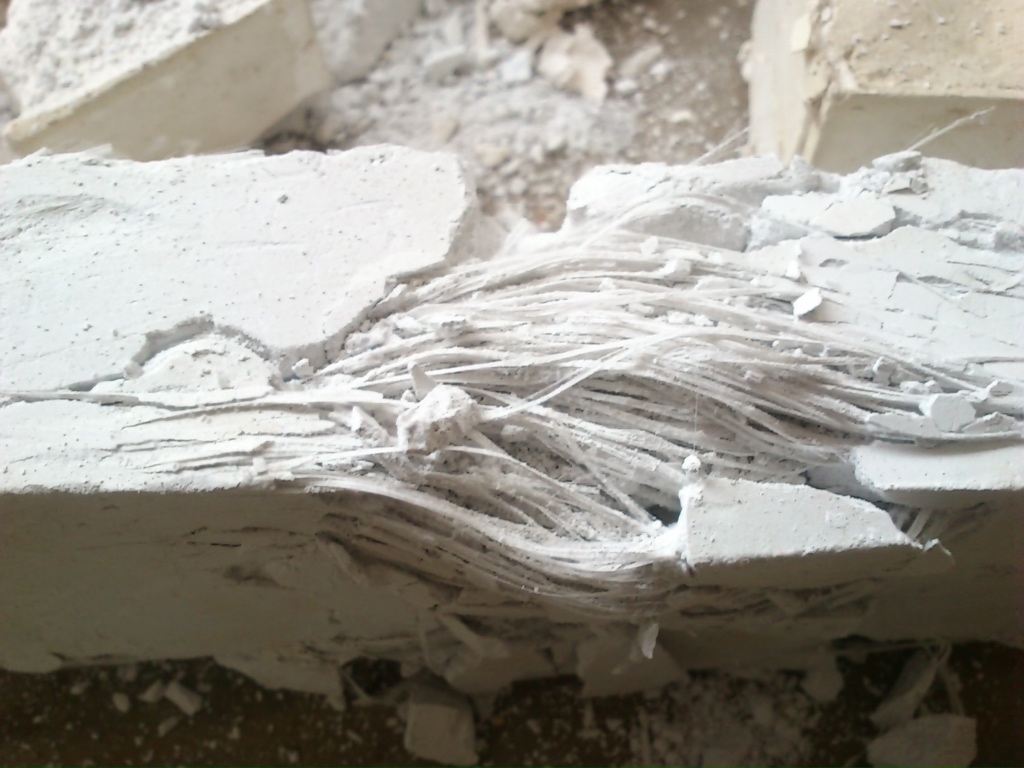
The UK Plasterboard Disposal Regulations
In 2009, the Environment Agency published a statement declaring that plasterboard needs to be disposed of at a licensed facility, separate from general waste. Since then this statement has been withdrawn, although the advice still stands.
In addition, gypsum plasterboard must be kept dry and separate from other building materials, such as wood or brick.
Plasterboard Disposal for Individuals
As you cannot put plasterboard in your kerbside bins, you’ll have to get rid of it at a local facility. These are easy to locate: simply search the name of your local council and ‘plasterboard disposal’ to find a site to do this. Often these sites charge for use and you may have to book a slot to dispose of your waste. Make sure that you separate the plasterboard from other waste at all times, not just when you get to your local facility. Alternatively, you can find a licensed waste carrier to do this for you.
Plasterboard Disposal for Businesses
Recycling is often the best option for businesses that are dealing with large amounts of waste. By using a recycling centre which accepts plasterboard, businesses can get tax credits and avoid fines issued by the Environment Agency for improper waste disposal.
Plasterboard Disposal for Large Construction Projects
On a larger project, a skip might be a more cost-effective option as they have the capacity to hold multiple bags of waste. Make sure that the company you hire from can dispose of plasterboard properly and that you keep it covered and segregated from other waste to prevent the plasterboard from putrefying.
If your project costs more than £300,000, it requires a Site Waste Management Plan. You then have an obligation to ensure that your plasterboard is properly segregated from any other waste, passed on to a licensed carrier and recycled wherever possible.

How Much Does Plasterboard Disposal Cost?
If you’re taking your plasterboard to a local disposal facility, be aware that some charge a small amount to use. There is no one figure but it is usually around £5. If you choose to use a waste carrier, this may incur an extra charge. Charges for both are usually calculated per bag or sheet. If it is per sheet, the size of the sheet is not factored in the price so it’s best to keep the plasterboard in as large sheets as possible to minimise costs. Generally, if you’ve got a larger amount of waste you need to get rid of, a private company may be a more affordable option than the local council site.
Your Options How To Dispose Of Plasterboard In The UK
Before you can dispose of your waste plasterboard, you first need to store it in a safe environment. As storing waste plasterboard is a low-risk waste position, you do not legally need a permit for a waste operation. However, there are still some conditions you have to meet.
Storing Waste Plasterboard
Firstly, as already mentioned, it must be stored in a waterproof container. Gypsum plasterboard can only be stored for up to one month and in quantities of up to 20 tonnes at any one time.
You must not be a risk to soil, water, plants or animals or cause any nuisance through either odours, noise or ‘adversely affect the countryside or places of special interest.’ If you are planning on repurposing your plasterboard, then you must follow the same rules when it is in storage.
Recycling Plasterboard
One of the best ways to get rid of waste plasterboard is to recycle it. This vastly reduces the environmental impact, meaning less gypsum has to be extracted to produce the same amount of plasterboard.
The Benefits of Recycling Plasterboard
The production of plasterboard requires manufacturers to process gypsum. This process releases greenhouse gases including carbon monoxide and sulphur dioxide, which causes acid rain, as well as additional particulates. Gypsum can be repurposed from plasterboard and then reused to produce new plasterboard or in other industrial processes. Recycling this material also reduces waste and creates a new product which can be resold.
How to Recycle Plasterboard In The UK
To recycle plasterboard waste, you need to ensure that you have fulfilled the requirements for the British Standard Institute’s Publicly Available Specification 109. This requires you to keep records of the waste’s source, type, volume and delivery date and any tests or inspections conducted on it. These have to be kept for two years and be done for all waste that you accept. You also need to ensure that the waste has been stored correctly, as we have already defined.
Then, when you pass the recycled waste onto the customer you need to keep copies of the information you give to them. Record the date of supply, volume, the site where the plasterboard was processed, the date of test for BSI PAS 109 and a quality statement, the intended use of the gypsum and, finally, the name and address of both parties.
Our Professional Dry Lining and Plastering Services
Learning how to dispose of plasterboard is crucial to avoid placing people in danger and incurring fines. Legally, it has to go to licensed facilities and you can either take it there yourself or enlist the help of a waste carrier to do this for you. Another way to ensure you stay compliant is to enlist a professional and reliable dry lining and plastering provider to help you with your project.
At A B Drylining, we offer a wide range of services taking care of the removal, replacement and fitting of plasterboard for properties requiring dry lining. However, our contractors are also highly qualified in producing plastering on sites of different sizes. For more information, get in touch with our team today.
FAQ
Can I dispose of plasterboard in general waste?
Plasterboard cannot be mixed with general waste as it may become toxic. In the UK, it cannot go in the black bin and has to be disposed of at a licensed facility.
Is it possible to get rid of plasterboard at my local tip?
In the UK, plasterboard can be disposed of at certain facilities but not all local tips. Check your local council website to find the best place to take your waste plasterboard.
Is plasterboard permitted to go in a skip?
Depending on the regulations of the skip hire company, plasterboard may be able to go in a skip. However, the skip needs to remain covered to prevent it from getting wet and it should be kept separated from other waste. Many skip companies will not allow you to put plasterboard in a skip.
Can I bury my waste plasterboard?
Plasterboard should not be buried as its gypsum content would pose a risk to the environment and neighbouring wildlife around it. As the plasterboard rots, especially in wet conditions, it can release toxic hydrogen sulphate.
Can I burn my waste plasterboard?
Burning plasterboard risks releasing toxic smoke and particles into the atmosphere so would risk harming plants, animals and people.
How should I properly dispose of plasterboard in the UK?
Proper disposal of plasterboard in the UK involves recycling at designated facilities or using a waste disposal service.
Is plasterboard categorised as hazardous material?
Plasterboard is not generally categorised as hazardous material, but its improper disposal can harm the environment.

