
AB Drylining are floor screeding contractors with decades of combined experience delivering liquid screeding services to businesses, contractors, and developers from our base near Swindon. Whether you’re overseeing a commercial fit-out, a large-scale industrial project, or a high-spec refurbishment, we tailor our screeding systems to the property type, access requirements and time frame to meet your exact specifications, reliably and efficiently.


We use high-quality material suppliers that you are familiar with



Our Customers
We serve a diverse client base consisting of builders, contractors and residential customers. While we excel in the commercial sector, we have maintained our capacity to offer affordable solutions to our residential customers in and around Swindon. As we grow, we have made sure that our technical guidance and customer service continue to complement our services.
What is Commercial Floor Screeding?
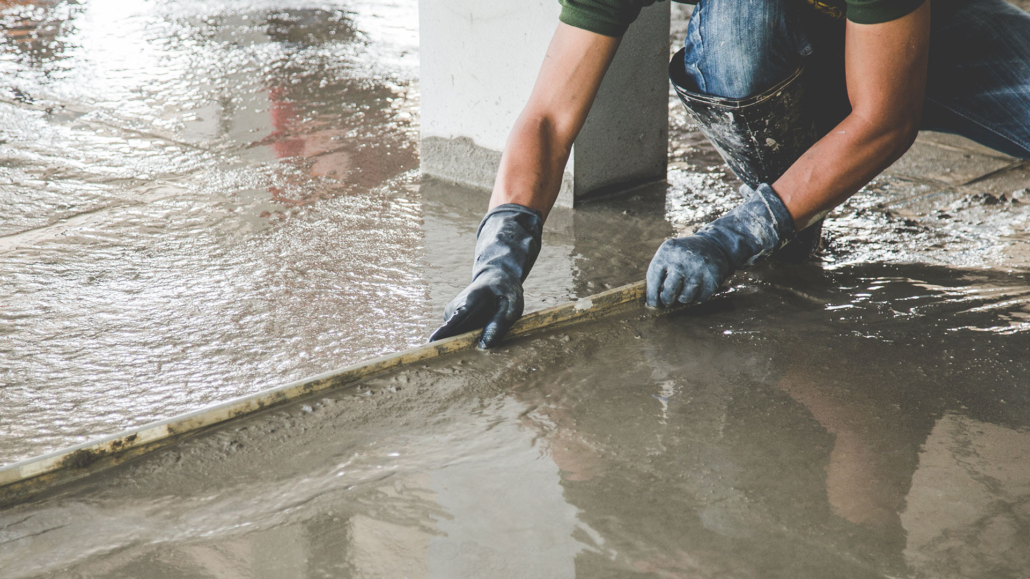
Commercial screeding involves laying a smooth, durable layer of material over a structural base to create a level surface for final flooring finishes. It plays a crucial role in:
- Offices and Retail Spaces: Ensuring a flat base for carpets, tiles, or vinyl
- Warehouses and factories: Supporting heavy loads and resisting wear
- Public and industrial facilities: Where longevity and performance are essential
How Your Project Will Benefit
Our Screeding Services














Types of Screed We Use
Traditional Sand & Cement Screed
A time-tested solution made from a mix of cement and sharp sand (typically 1:3 to 1:5 ratio). Durable and ideal for hospitals, schools, and retail spaces. Longer drying times apply.
Free-Flowing Screed (Anhydrite Screed)
Easy to apply over large areas and self-levelling. However, it’s not ideal for wet environments or where cement-based materials are used. Drying time is longer than traditional screeds.
Floor Levelling Compounds
Used when a high tolerance or extra-flat finish is required. Common in warehouses, garages, or areas with sensitive machinery. Usually more expensive.
Fast-Drying Screed
Perfect when timelines are tight. Additive-enhanced screeds like Isocrete K-screed or Ronacrete allow for faster curing and earlier floor finish application.
Underfloor Heating & Insulated Screeds
We offer full support for underfloor heating (UFH) systems, both electric and hydronic, by applying screeds that optimise heat retention and distribution. Our screeds are tailored to suit each heating system and improve overall energy efficiency.

What is screed flooring?
Not to be confused with a concrete floor, floor screed is usually a cementitious material that is used to create a strong and level floor. It can extend the life of a floor and improve its quality. It is applied to a floor base, usually made up of concrete slabs or a precast concrete floor unit.
How long does screeding take?
The size of the floor will be a determining factor, but typically, you can expect 3 – 5 days before the floor is ready to be used with a fast-drying screed.
For other types of screed, the industry benchmark for drying is nearly four months (110 days) for a standard 75mm screed. At this point, the moisture is usually at an acceptable level for applying the final floor finish.
Floor screeds, when done properly, need to be cured instead of dried out quickly. A floor screed needs to retain moisture for as long as possible to ensure the best quality finish. Rapid drying can lead to cracks. A polythene sheet is placed over the screed whilst it cures.
How much does screeding cost?
Floor screeding prices vary, but sand and cement screeds tend to cost upwards of £15 per m2 with flowing screeds starting at a little more from £17 per m2. Factor in the cost of contracting someone to complete the work at £10 – £14 per m2 and you will have an idea of the price. It is always best to request a quote in the first instance as there are a number of factors that can influence the price.
What are the advantages of commercial floor screeding?
It ensures level surfaces, improves durability, supports heavy loads, and enables smoother final floor finishes.
What preparation is needed before screeding?
The subfloor must be clean, dry, and stable. We handle all preparation as part of our service.
Can screed act as a final floor finish?
Yes, in some commercial environments, high-strength screeds can be left exposed or sealed.
What’s the difference between traditional and liquid screed?
Traditional screed is mixed on site and applied manually. Liquid screed flows freely, offering faster drying and better heat conductivity.
Where can floor screed be installed?
Anywhere with a structural floor base, including offices, warehouses, shops, and public buildings.
Is there a minimum thickness required for screeding?
Yes. Typically 25–50mm, depending on type and purpose.
What’s the shrinkage rate of your liquid screed?
Minimal shrinkage due to controlled mix and curing. Less prone to cracking than traditional screeds.
Can I do floor screeding myself?
We strongly recommend professional installation for commercial projects to ensure level results and avoid future floor failures.